In this article, we explore the top 12 challenges in the restaurant industry for 2026 and share smart, actionable solutions. Our goal: to give you a clear roadmap rooted in data, best practices and current trends so you don’t just survive, but thrive.

Whether you’re running a café, casual dining spot or full-service restaurant, this guide is built to match what real operators (like SalesPlay POS), searchers and algorithms are looking for.
Research from the National Restaurant Association (NRA) and industry-analysts shows that in 2026 restaurants face sharp pressures: food and labour costs, staffing issues, and increasingly tech-enabled competition all rank high. Expert Market
For example, one study found that 76 % of food & beverage professionals say rising ingredient costs significantly affect profitability. Expert Market And over 51 % of restaurant operators identify staffing as a top challenge.
Problem: Ingredient prices fluctuate because of inflation, supply-chain issues or seasonal changes.
Impact: Profit margins shrink, forcing tough choices.

Solution:
Conduct regular menu cost analysis (every 90 days is good) to track changes in ingredient costs.
Source locally where possible, to reduce shipping/handling cost and get fresher produce.
Implement waste-reduction strategies: monitor plate waste, trim unused inventory, repurpose ingredients.
Why this matters now: According to Expert Market’s 2026 F&B report, “ingredients are the big profitability threat” (76 %). Expert Market
Quick How To:
Identify your top 20 menu items by cost & margin.
For each, calculate food cost percentage monthly.
If cost rises >5 % vs baseline, consider recipe tweak, alternative supplier or price adjustment.
Launch “waste audit” weekly: measure leftover unused produce, track cost wasted.
Communicate with guests: “We source fresh, local produce – seasonal menu changes reflect that.”
Problem: High turnover, difficulty finding skilled chefs and reliable service staff.
Impact: Inconsistent service, increased training costs, lower guest satisfaction.

Solution:
Offer competitive pay, incentives and recognition programmes.
Create career growth paths (chef apprentice → sous chef → head chef) so people stay.
Build flexible schedules, allow shift swaps, part-time options to attract diverse workers.
Include strong onboarding and ongoing training frameworks.
Data point: Over 50 % of restaurant operators list staffing as a top challenge; turnover rates approach 80 %. Source
Problem: Expenses like rent, wages and supplies often outpace daily sales.
Impact: Financial instability; risk of closure.

Solution:
Use accounting software (for instance, integrate POS to back-office) to track daily sales, costs and variances.
Plan seasonal budgets (expect dips in slow months) and keep an emergency fund (e.g., 2-3 months of fixed costs).
Monitor key financial metrics: food cost %, labour cost %, occupancy/utilisation, daily vs budget variance.
With inflation and costs volatile, keeping cash flow tight is more critical than ever.
Problem: Quality of food or service changes day to day.
Impact: Negative reviews, lost repeat customers, lower brand loyalty.
Solution:
Standardise recipes and processes (e.g., chef checklists, portion control).
Regular training refreshers and culture of continuous improvement.
Establish quality-check routines: daily shift debriefs, weekly mystery guest reviews, digital feedback loops.
Use customer data (loyalty, CRM) to track service consistency and address issues proactively.
Problem: Overstocking leads to waste; under-stocking leads to shortages and unhappy customers.
Impact: Increased cost, lost sales, reputation issues.
Solution:
Implement a modern POS/inventory system that tracks usage in real-time and predicts demand.
Automate reorder triggers: set minimum thresholds and lead-time buffers.
Apply demand forecasting techniques: note peak days/hours, seasonal patterns, special events.
Use the latest academic research: for example, a deep-learning demand-forecasting model reduced supply-chain instability significantly. arXiv
Compare: Traditional manual inventory vs. data-driven inventory management.
Manual: reactive, high stock-waste, error prone
Data-driven: proactive, lower waste, better service levels
Problem: Many restaurants rely only on walk-ins or word-of-mouth in an era where visibility is digital.
Impact: Limited reach, fewer new customers, missed growth opportunities.
Solution:
Be active on social media (Instagram, TikTok, Facebook) and share behind-the-scenes, staff stories, dish photos.
Claim and optimise your Google Business Profile (GBP) listing, prompt satisfied guests to leave reviews (respond to reviews).
Partner locally (e.g., influencers, local events) and run limited-time offers to attract first-timers.
Build a loyalty or referral programme to turn new guests into repeat customers.
Problem: Manual billing, slow order taking, no digital reservations or delivery integration.
Impact: Slower service, poor guest experience, missed revenue streams.
Solution:
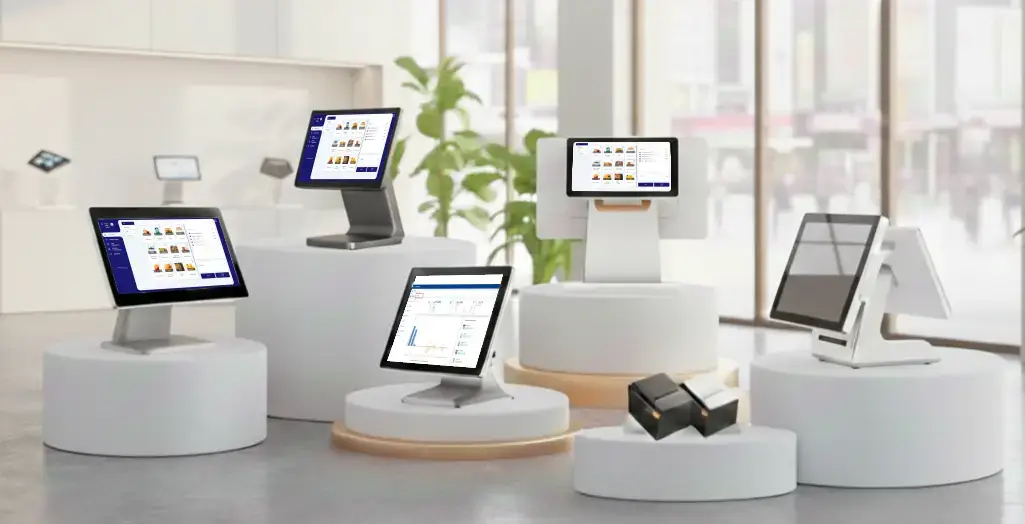
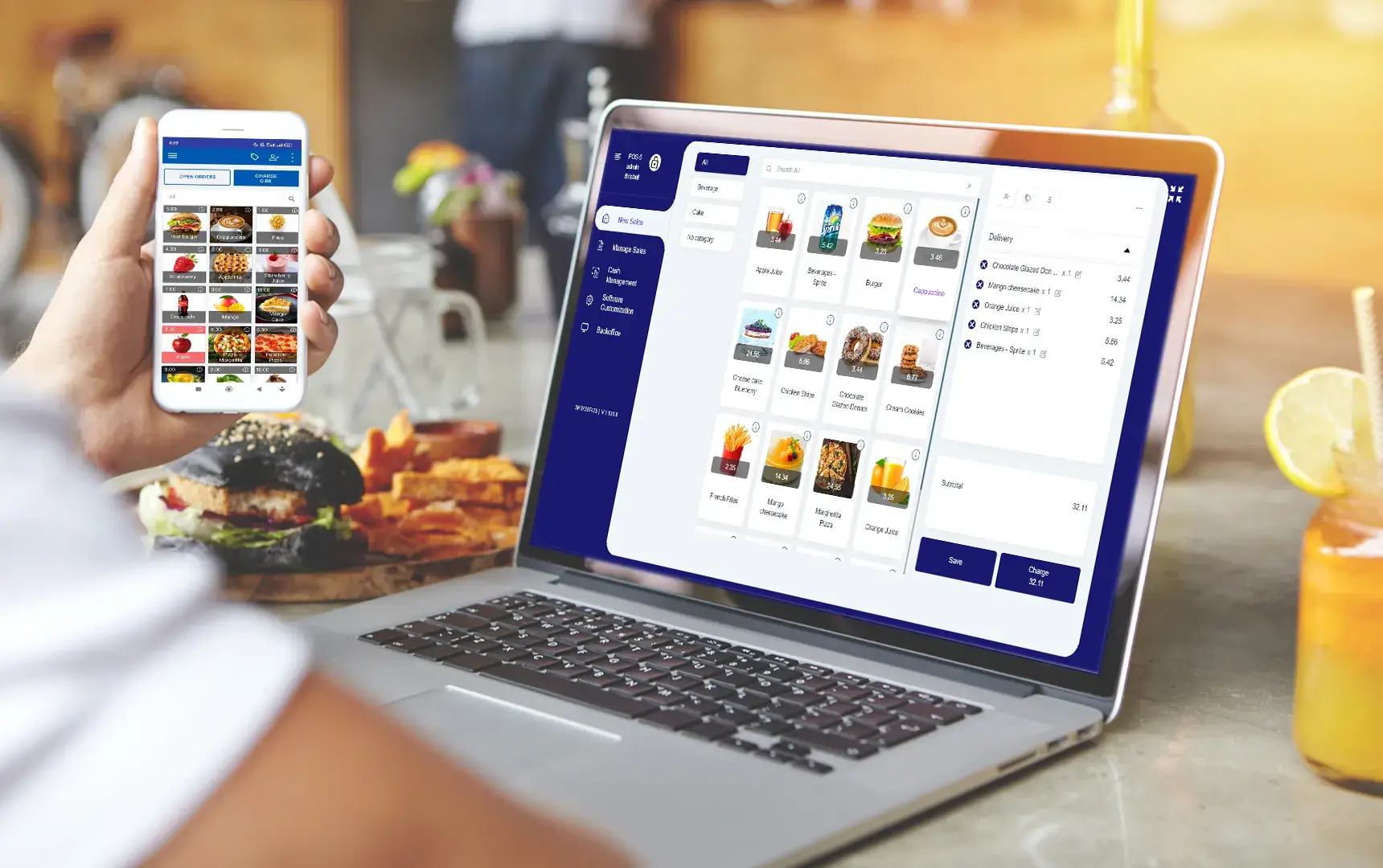
Adopt a modern POS that supports mobile ordering/checkout, offline mode and integrations (e.g., CRM, inventory).
Enable online ordering, delivery platform integration and QR-menu/digital menu options.
Automate back-office tasks: shift scheduling, ordering alerts, reporting.
Stay ahead: Technology for kitchen display systems (KDS), guest-feedback tablets, self-service kiosks.
Technology adoption is near-universal (98 % of F&B businesses invested in software) yet only ~62 % are impacted by tariffs/costs and still not all are using full automation.
Problem: Failing to maintain safety standards or proper documentation.
Impact: Fines, shutdowns, or damaged reputation.
Solution:
Train staff on hygiene protocols, allergen management, safe food handling, and cleaning schedules.
Perform regular internal compliance checks (e.g., sanitation logs, fridge temps, expiry tracking).
Adopt digital record-keeping to ensure traceability and allow audit readiness.
Use signage and guest-communications to show your hygiene commitment (builds trust).
Problem: Over-pricing or under-pricing items without proper cost- or competition-analysis.
Impact: Lost customers (if too expensive) or low profits (if too cheap).

Solution:
Use menu engineering: classify dishes by popularity vs profitability (Stars, Plow-horses, Puzzles, Dogs).
Analyse cost, price elasticity and competitor offerings.
Test limited-time offers to gauge price sensitivity, and adjust accordingly.
Design menu layout to steer guest choices toward higher-margin items (without sacrificing value).
Problem: Delays in kitchen, slow table turnover or unorganised staff scheduling.
Impact: Customer frustration, lower daily sales, high labour cost per guest.
Solution:
Optimise kitchen layout: smooth path from prep to service, minimise bottlenecks.
Use shift-scheduling tools aligned with peak traffic, avoid over-staffing in slow periods.
Streamline communication: integrate POS with kitchen display, table-turn tracking, mobile apps for wait-staff.
Automate routine tasks: e-menus, self-ordering kiosks, digital payments all reduce service time.
Problem: Focusing too much on attracting new customers instead of keeping existing ones.
Impact: High marketing costs, lower lifetime value, inconsistent revenue.
Solution:
Launch a loyalty programme: points, VIP tiers, personalised offers for repeat guests.
Use CRM/email/SMS to stay in touch: send birthday offers, event invitations, seasonal updates.
Monitor guest satisfaction (via surveys or digital feedback) and act on insights.
Create “community” around your brand: social posts, local partnerships, events make guests feel part of something.
Problem: New restaurants and delivery platforms are increasing competition, and consumer expectations keep rising.
Impact: Reduced share, price-pressure, lower margins.
Solution:
Develop a niche brand or unique selling proposition (USP): signature dishes, local sourcing story, special ambience.
Deliver exceptional service: small moments matter (staff remember names, special requests handled seamlessly).
Use competitive benchmarking: monitor local competition menus, prices, guest experience, and differentiate.
Experiment with new revenue streams: off-premise expansion (take-out/delivery), retail-ready meals, catering. For instance, 33 % of F&B businesses in one report said they expanded off-premise revenue.
Q1: What is the biggest challenge for restaurants in 2026?
While it may vary by region, staffing (retention, recruitment) and ingredient cost inflation top many surveys, with 38 % of F&B professionals citing staffing and 76 % citing ingredients as major threats.
Q2: How can I keep food costs under control in a volatile market?
Regularly analyse your menu costs, negotiate with suppliers, source locally, reduce waste, adjust pricing or recipes when costs spike. Track key metrics monthly to stay on top.
Q3: What technology should modern restaurants focus on?
Key tech areas: a robust POS integrated with inventory and CRM, online ordering/delivery integration, mobile or QR menus, kitchen display system (KDS), and automated reporting.
Q4: How do I improve customer retention effectively?
Implement a loyalty programme, personalise communication, offer value beyond the first visit, gather feedback and act on it, create a community around your brand.
Q5: How can I stand out in a highly competitive restaurant market?
Define your unique selling proposition (special cuisine, local sourcing, exceptional service, ambience), deliver consistent excellence, leverage digital marketing, and diversify revenue streams (take-out, catering, retail).
Q6: How important is workflow management in improving profitability?
Very important. Efficient service means faster table turnover, fewer bottlenecks, fewer errors, better guest experience all of which drive higher daily sales and lower cost per guest.
Q7: What should I track financially each day?
Track daily sales versus budget, food cost %, labour cost %, number of covers (or orders), average check, daily waste or spoilage value and compare across periods and shifts.
2026 is a challenging year for the restaurant industry but it’s also full of opportunity. By proactively addressing the 12 major challenges above, you can build resilience, improve guest experience, and strengthen your brand in a competitive market.