Running a restaurant in Zimbabwe today is not the same as it was a few years ago. Compliance rules are stricter, customers expect faster service, and multi-currency payments are part of daily operations. Because of this, a modern restaurant POS system is no longer optional. It has become a core business requirement.
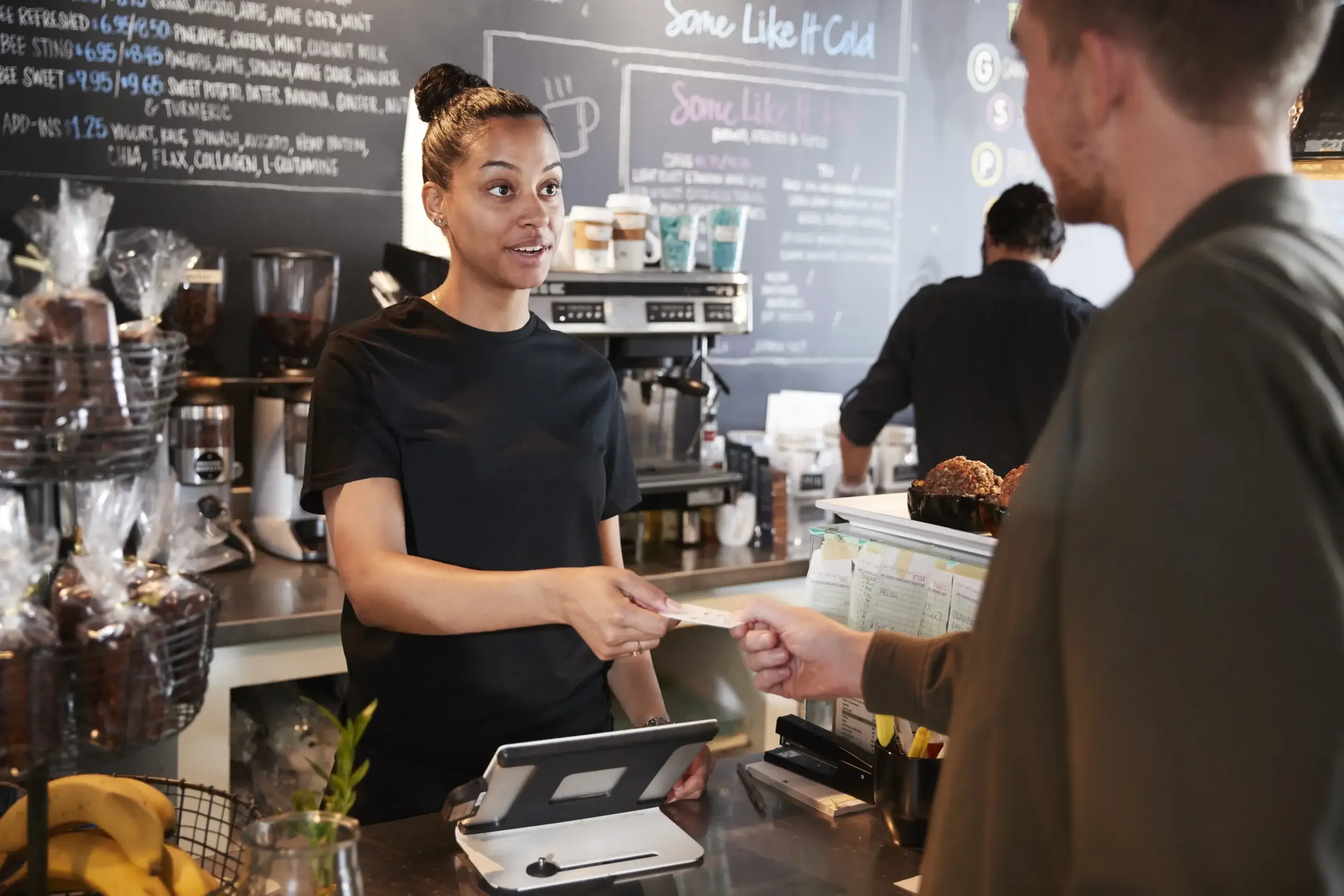
Zimbabwean restaurants are legally required to use fiscalised POS systems approved by ZIMRA.
A compliant restaurant POS system must:
Generate fiscal receipts with QR codes
Transmit sales data securely to ZIMRA
Store fiscal data for audits and inspections
SalesPlay POS supports full ZIMRA fiscalisation, helping restaurants meet these legal obligations without manual reporting. Non-compliance can lead to fines, penalties, or forced closure. a POS system is essential for staying open and compliant in Zimbabwe.
Restaurants in Zimbabwe regularly accept USD, ZiG, mobile money, and card payments like Alternative currencies. Managing this manually increases billing errors and accounting confusion.

With a modern POS system, restaurants can:
A POS system removes currency confusion and improves billing accuracy. SalesPlay POS includes built in alternative currency handling, reducing mistakes and saving time at checkout. It also supports up to three decimal places, helping businesses handle very small values more accurately.
Lunch and dinner rushes are where restaurants make or lose money. Manual order taking slows staff and causes mistakes.
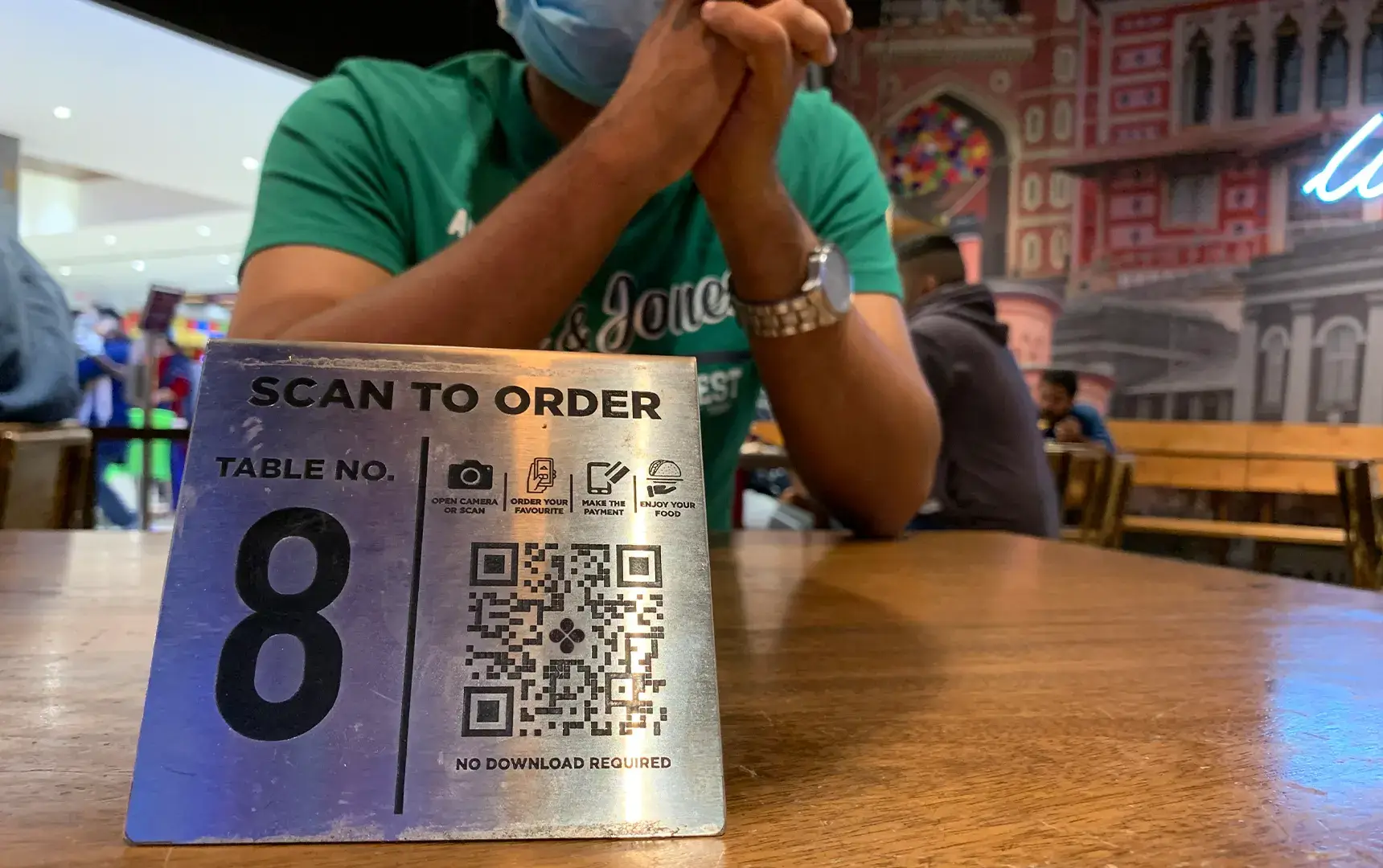
A restaurant POS system improves speed through:
Faster ordering means more served customers and higher daily revenue. These tools reduce wait times, improve order accuracy, and increase table turnover during peak hours.
Inventory losses are a hidden problem for many Zimbabwean restaurants. Missing stock, over-ordering, and waste reduce profit margins.
With advanced inventory management, a POS system can:
SalesPlay POS links sales directly to inventory movement, giving owners clear visibility into food costs. Inventory control protects profits in a high-cost environment.
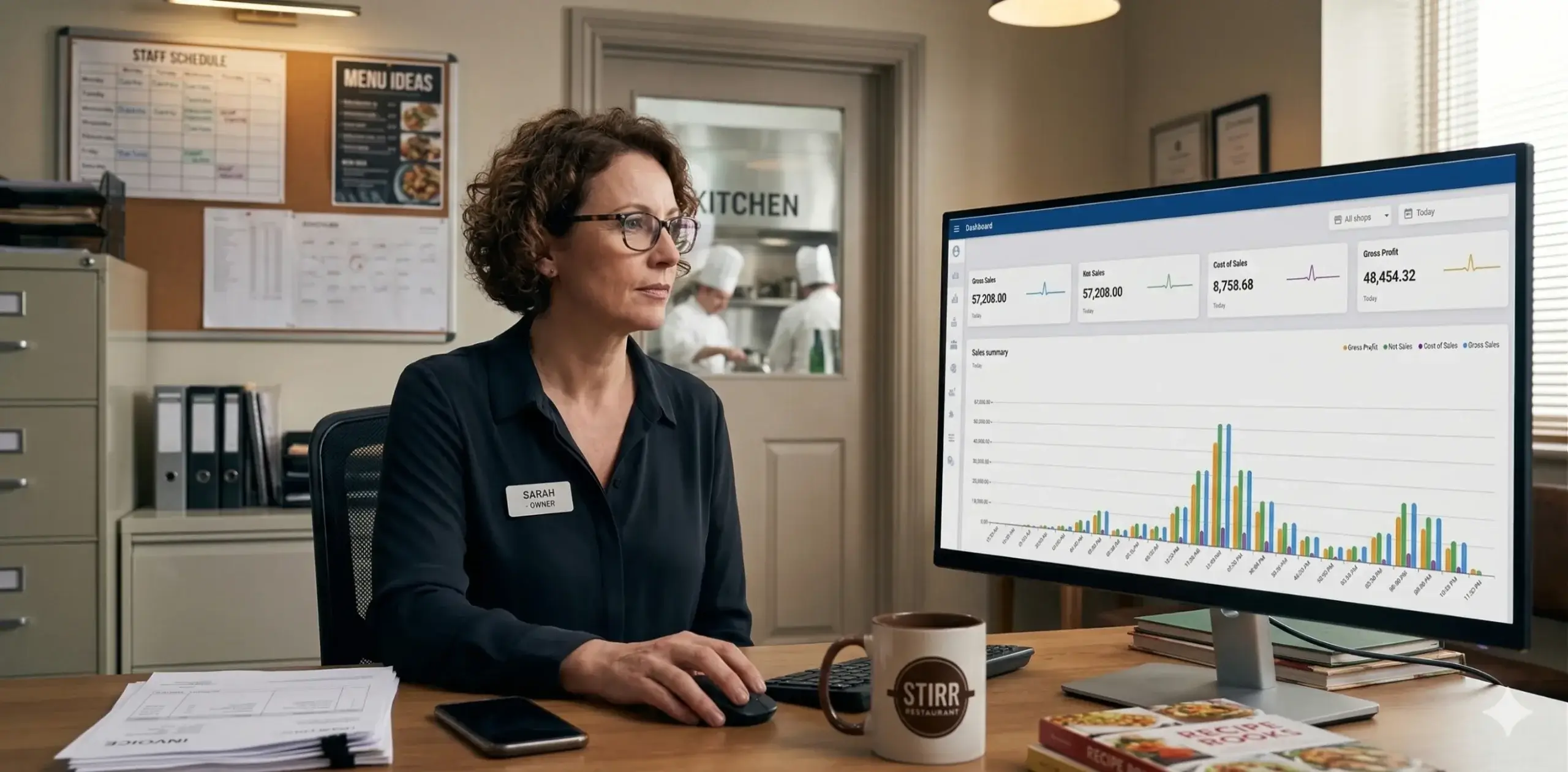
Many restaurant owners rely on estimates rather than real numbers. This leads to poor decisions.

A POS system provides:
With clear sales data, owners can identify best-selling items and underperforming menus. Real-time data replaces guesswork with confidence.
Without a POS system, tracking staff activity is difficult and inconsistent.
Modern restaurant POS systems allow:
SalesPlay POS includes employee management tools that improve transparency and reduce internal losses. Accountability improves trust and staff performance.
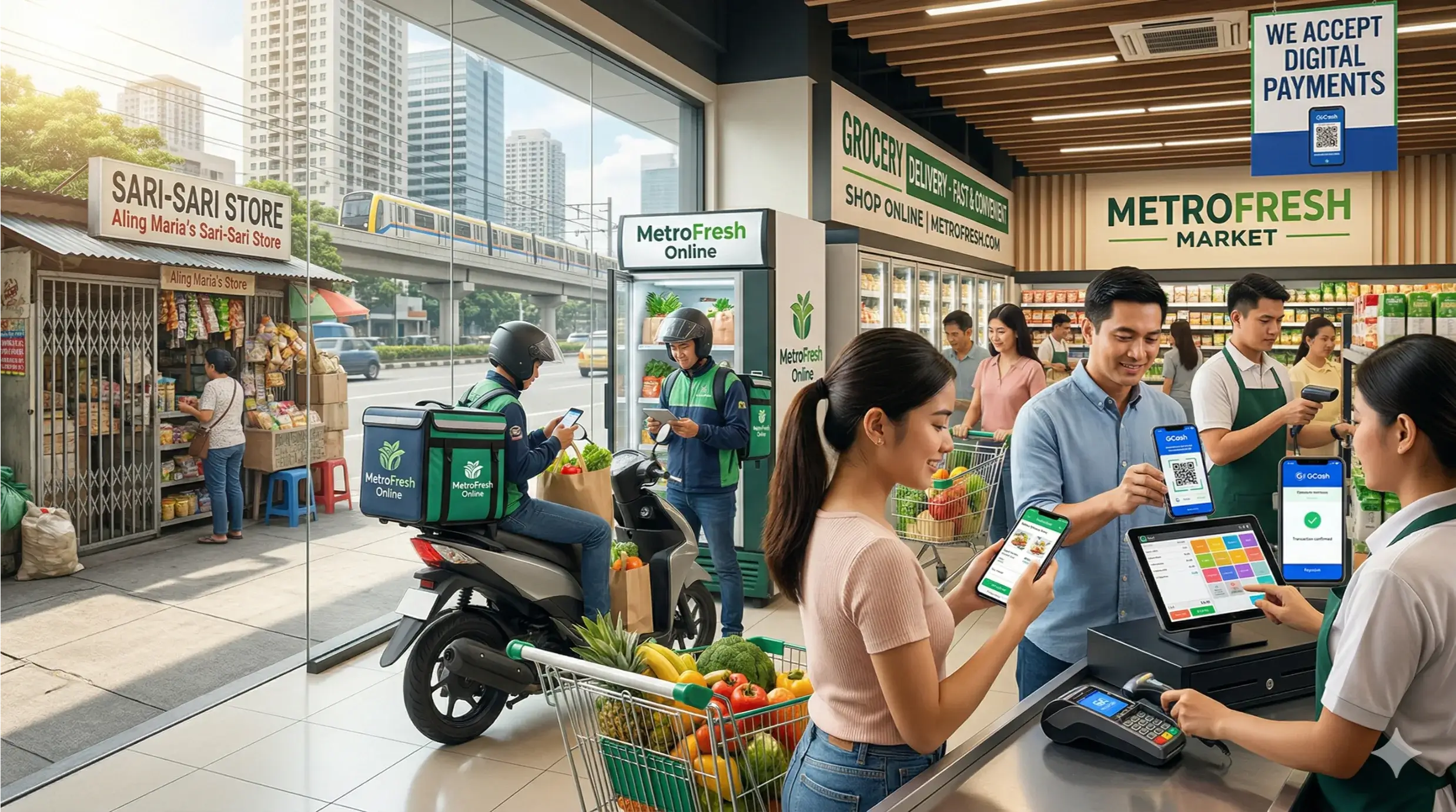
Customers expect more than cash payments. Restaurants must support digital and card-based options.
A POS system with API integrations enables:
This flexibility ensures restaurants don’t lose customers due to limited payment options. Payment flexibility improves customer satisfaction.
Many restaurants in Zimbabwe plan to expand to multiple locations. Manual systems fail as operations grow.
A cloud-based POS system supports:
SalesPlay POS allows restaurant owners to manage all branches from a single dashboard. A POS system makes growth manageable and controlled.
In Zimbabwe, a restaurant POS system is not just a tool for billing. It is a legal safeguard, operational backbone, and growth platform.
From ZIMRA fiscalisation and multi-currency handling to faster service, inventory control, and staff accountability, the right POS system helps restaurants survive and scale in a challenging market.
Discover how SalesPlay POS helps Zimbabwean restaurants stay compliant, improve efficiency, and grow try it free today.
Yes. Restaurants in Zimbabwe must use a fiscalised POS system that complies with ZIMRA regulations.
The system must generate fiscal receipts with QR codes and transmit sales data to ZIMRA. A non-fiscal POS can lead to fines or business closure.
ZIMRA fiscalisation means your POS system is legally connected to the tax authority.
Each sale is recorded, secured, and reported in the required fiscal format. Fiscalisation protects both the business and the customer.
Yes. A modern restaurant POS system can manage USD, ZiG, and other payment methods in the same transaction.
It applies exchange rates automatically and generates clear reports. Multi-currency POS systems reduce billing errors and disputes.
A POS system speeds up service with QR ordering, tablet ordering, and kitchen display systems (KDS).
Orders go directly from the customer or waiter to the kitchen without delays.
Quick insight: Faster service increases table turnover and daily revenue.
Yes. A restaurant POS tracks ingredient usage in real time as items are sold.
It alerts managers about low stock, wastage, or unusual consumption. Inventory control protects profit margins in a high-cost market.
Yes. Staff log in individually, and the POS tracks sales, voids, and discounts by employee.
This improves accountability without constant supervision. Transparent tracking builds trust and improves performance.
A modern POS supports cash, cards, mobile money, and API-based payment integrations.
This allows restaurants to adapt as payment preferences change.
Quick insight: Flexible payments improve customer experience and sales.
Yes. A cloud-based POS system allows owners to manage multiple outlets from one dashboard.
Sales, inventory, and staff data stay synchronized across all locations. A scalable POS system makes expansion easier and safer.
Yes. Many POS systems offer free plans or low-cost entry options for startups.
Restaurants can begin with basic features and upgrade as they grow.
Quick insight: A POS system supports growth from day one.
Accurate orders, faster billing, clear receipts, and flexible payments all improve service quality.
Happy customers are more likely to return and recommend the restaurant. Better systems create loyal customers.