The Malaysian food trucks 2026 landscape looks very different from what it did just a few years ago. When the pandemic disrupted the foodservice industry, many mobile food businesses faced uncertainty. Lockdowns reduced foot traffic, supply chains struggled, and delivery apps took large commissions.
Yet Malaysian food trucks proved something important. Their flexibility, creativity, and ability to move where customers are helped them survive and eventually thrive.
Fast forward to 2026, and the story has changed. Food trucks are booming again. From bustling food festivals in Kuala Lumpur to coastal tourist hotspots in Penang, mobile kitchens are becoming a key part of Malaysia’s modern food culture.
According to market insights from Ken Research and ResearchAndMarkets, Malaysia’s foodservice industry is projected to surpass USD 30 billion by 2031, while the food truck sector is expected to grow at a 7–10% CAGR, reaching nearly USD 5.6 billion by 2033.
But success today requires more than great food.
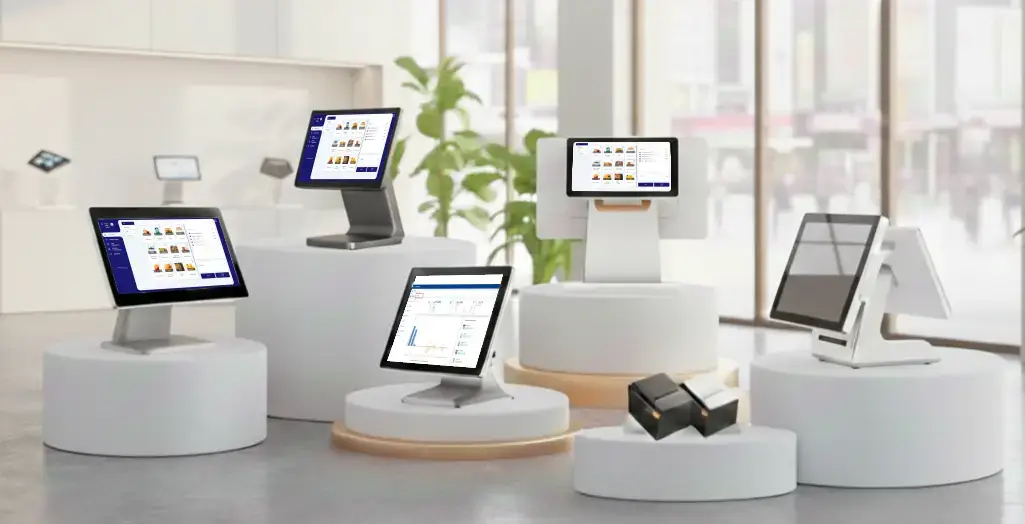
Modern food truck owners must adapt to digital payments, sustainability trends, event-based sales, and real-time inventory tracking. Technology is also reshaping operations. Many food truck operators now rely on mobile POS software for Malaysian F&B businesses to manage orders, payments, and inventory while on the move.
So how exactly are Malaysian food trucks succeeding today?
Let’s explore the lessons from the pandemic, and the technology strategies helping vendors grow in 2026.
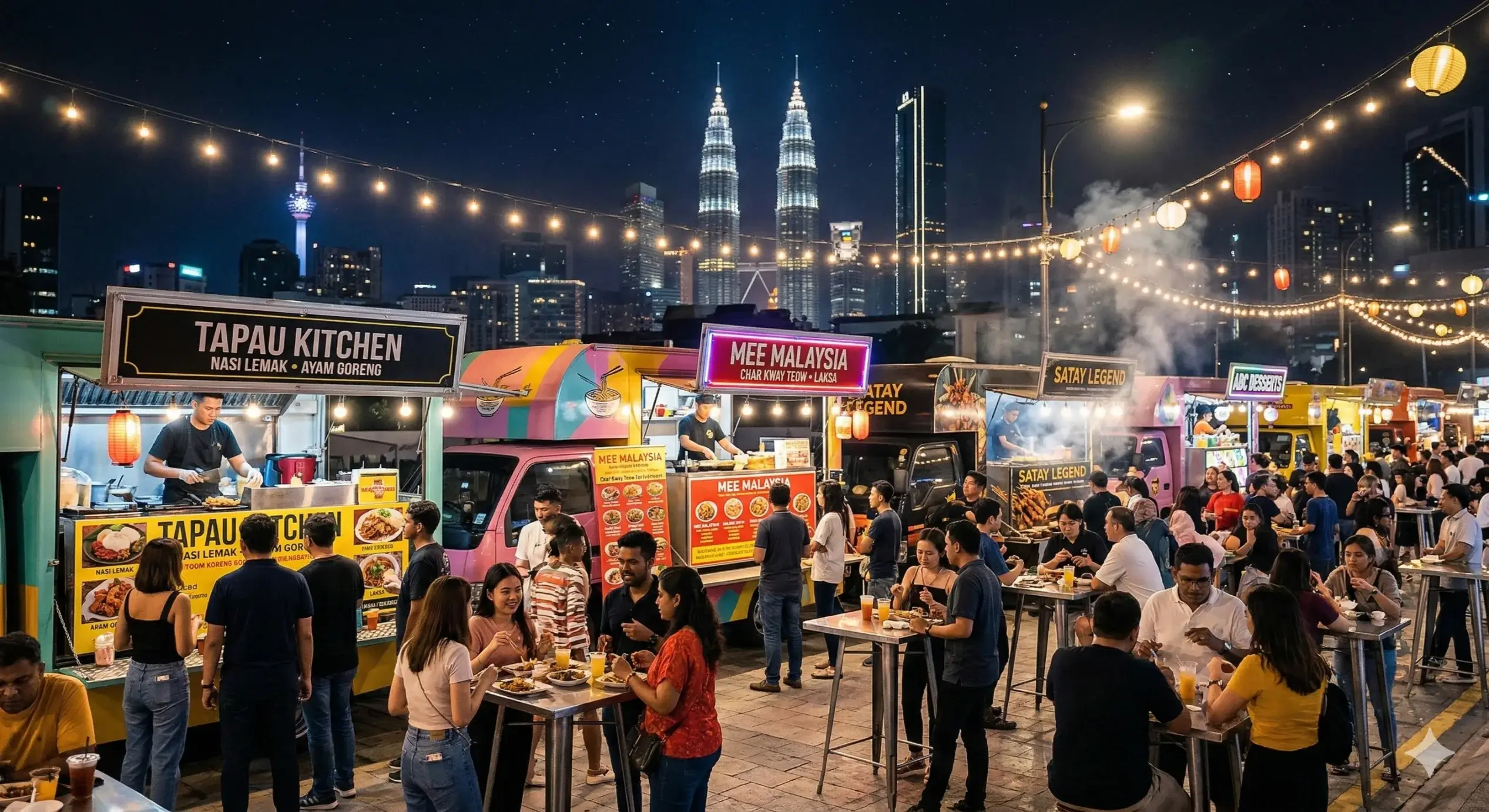
Food trucks have always been a natural fit for Malaysia’s vibrant street food culture.
Cities like Kuala Lumpur, Penang, and Johor Bahru have long been known for night markets, roadside stalls, and casual dining. But in the last decade, food trucks have evolved from simple snack vendors into gourmet mobile kitchens.
Today’s food trucks serve everything from:
Younger consumers especially love the experience. Millennials and Gen Z diners often prefer unique street food experiences over traditional restaurants.
Several factors are driving this growth:
In fact, many entrepreneurs researching how to start a food truck business in Malaysia 2026, see mobile kitchens as a smart entry point into the F&B industry.
But growth also brings challenges.
Competition is stronger than ever, and successful operators must combine great food with smart technology and efficient operations.
Here are the biggest food truck trends shaping the industry in 2026.
Sustainability is no longer optional. Customers increasingly expect environmentally responsible businesses.
Many food trucks in Malaysia now focus on sustainable food truck operations Malaysia, including:
Eco-friendly practices also help vendors participate in government-supported green initiatives and environmentally focused festivals.
For food truck owners, sustainability is both a brand advantage and a long-term cost-saving strategy.
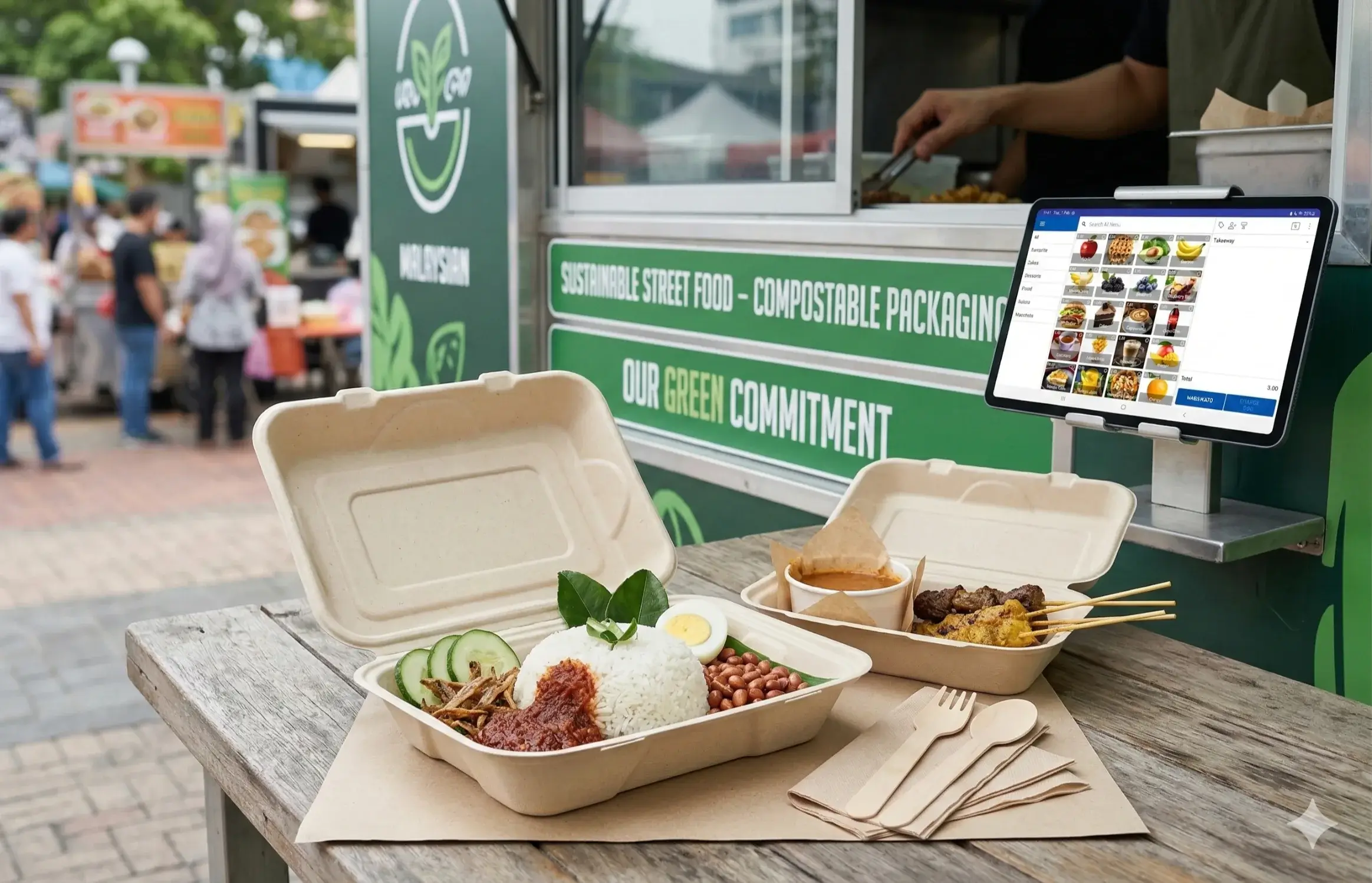
One of the biggest opportunities for food trucks in 2026 is the event economy.
Across Malaysia, large gatherings are returning:
Food trucks thrive in these environments because they can quickly serve large crowds.
Event organizers often prefer mobile vendors since they require less infrastructure than traditional restaurants.
For food truck operators, this means planning around event-based sales strategies, such as:
Without the right tools, handling hundreds of orders during a festival can become chaotic.
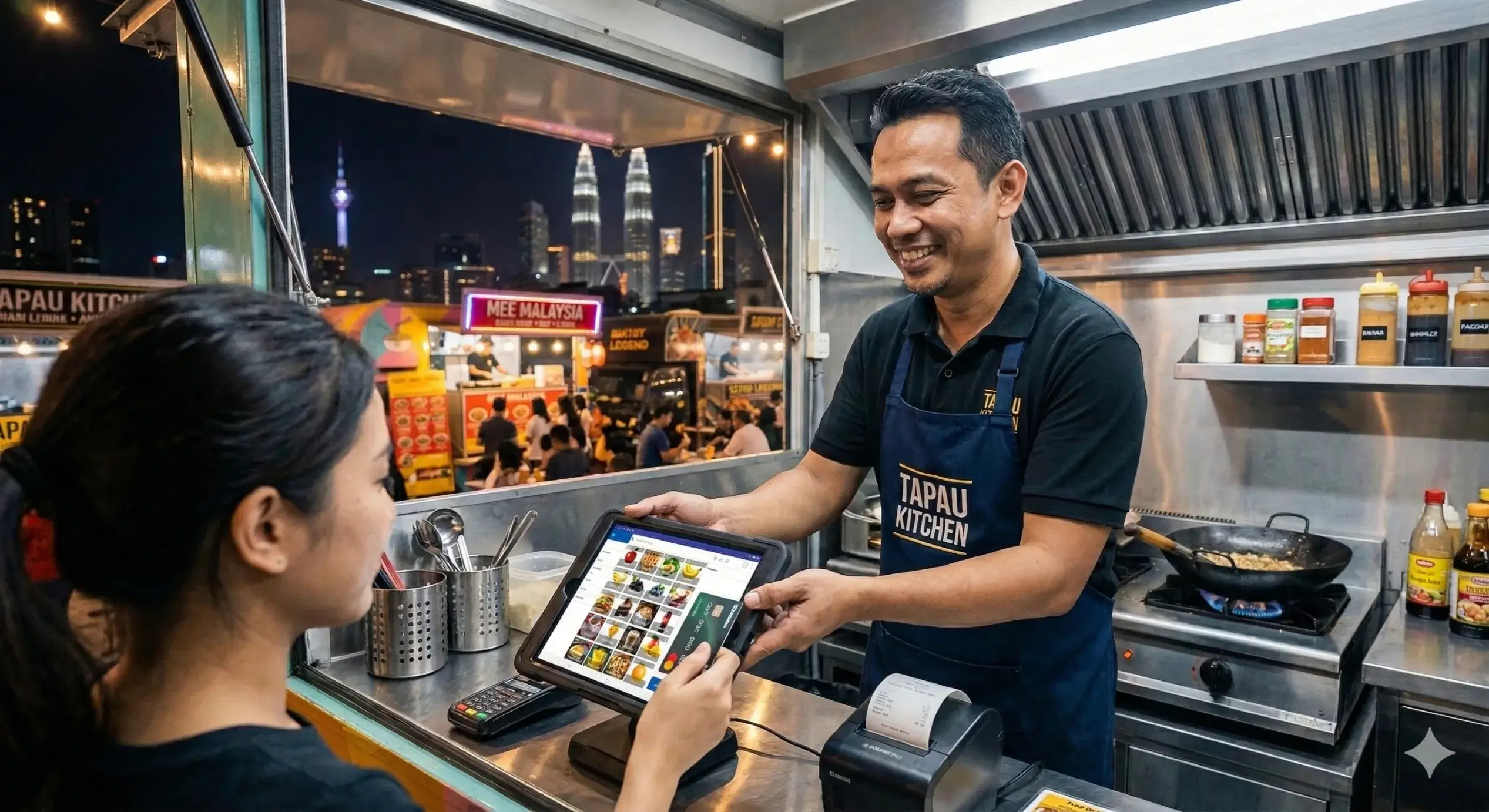
Malaysia is rapidly becoming a cashless society.
Customers now expect payment options such as:
Food trucks that only accept cash risk losing sales.
Modern mobile POS software for Malaysian F&B businesses allows food truck vendors to accept multiple payment types from a smartphone or tablet.
This flexibility is especially important in busy urban areas like Kuala Lumpur, where customers prefer quick digital payments.
During the pandemic, delivery apps became essential for survival.
Even in 2026, many food trucks maintain a hybrid model, combining:
However, delivery platforms often charge commissions of 20% to 30%.
That’s why many vendors are now exploring strategies to reduce delivery commissions for Malaysian food trucks, such as:
Cloud POS systems help track orders from multiple channels in one place.
Food trucks thrive on creativity.
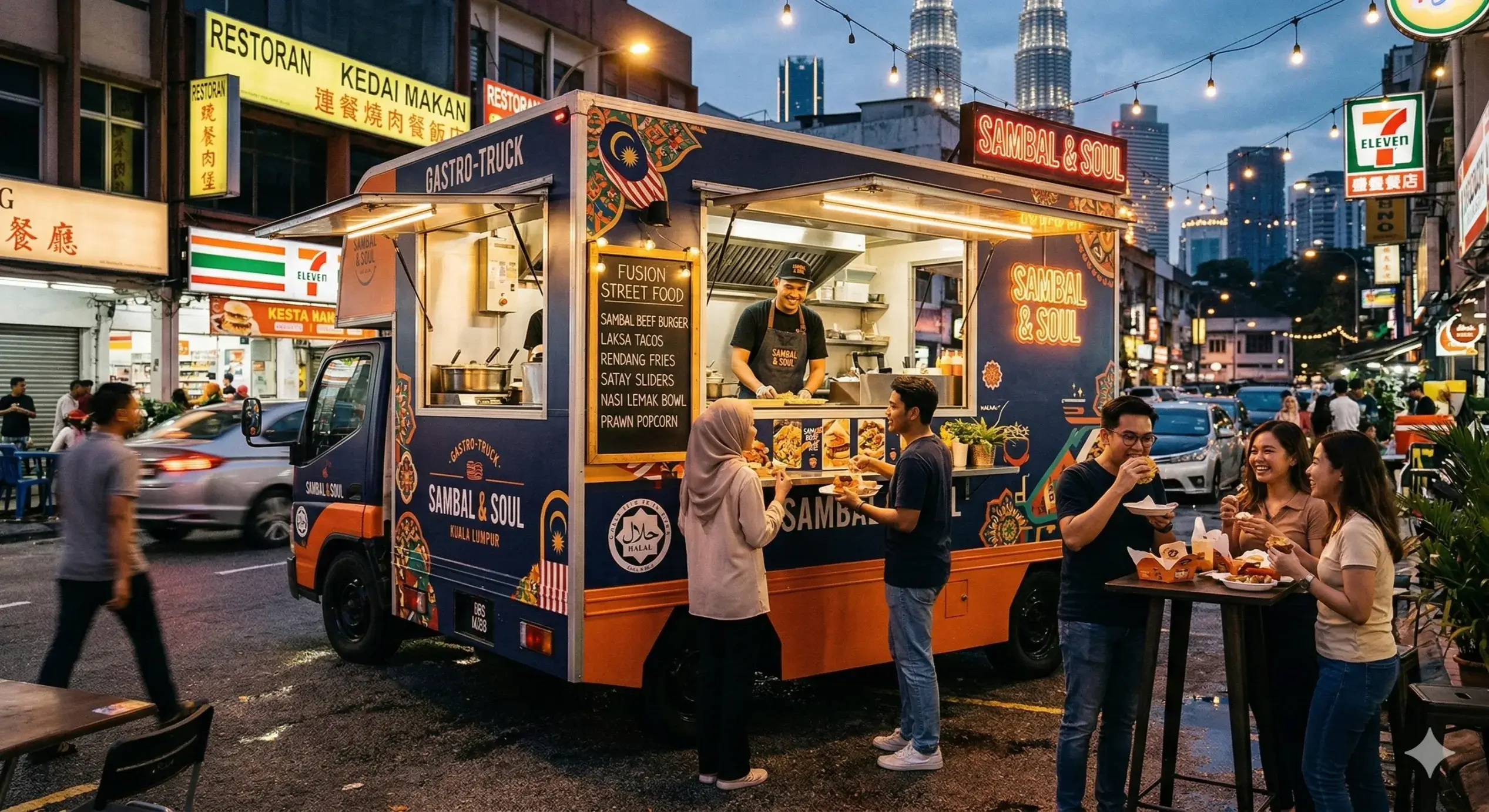
Some of the most successful Malaysian vendors combine multiple cuisines to create unique menus, such as:
Creative branding and strong social media presence also play a huge role.
Instagram-friendly food trucks often attract long lines at festivals and night markets.
Despite their growth, food trucks still face operational challenges.
These include:
Food prices fluctuate frequently. Without proper tracking, vendors may not realize which menu items are losing money.
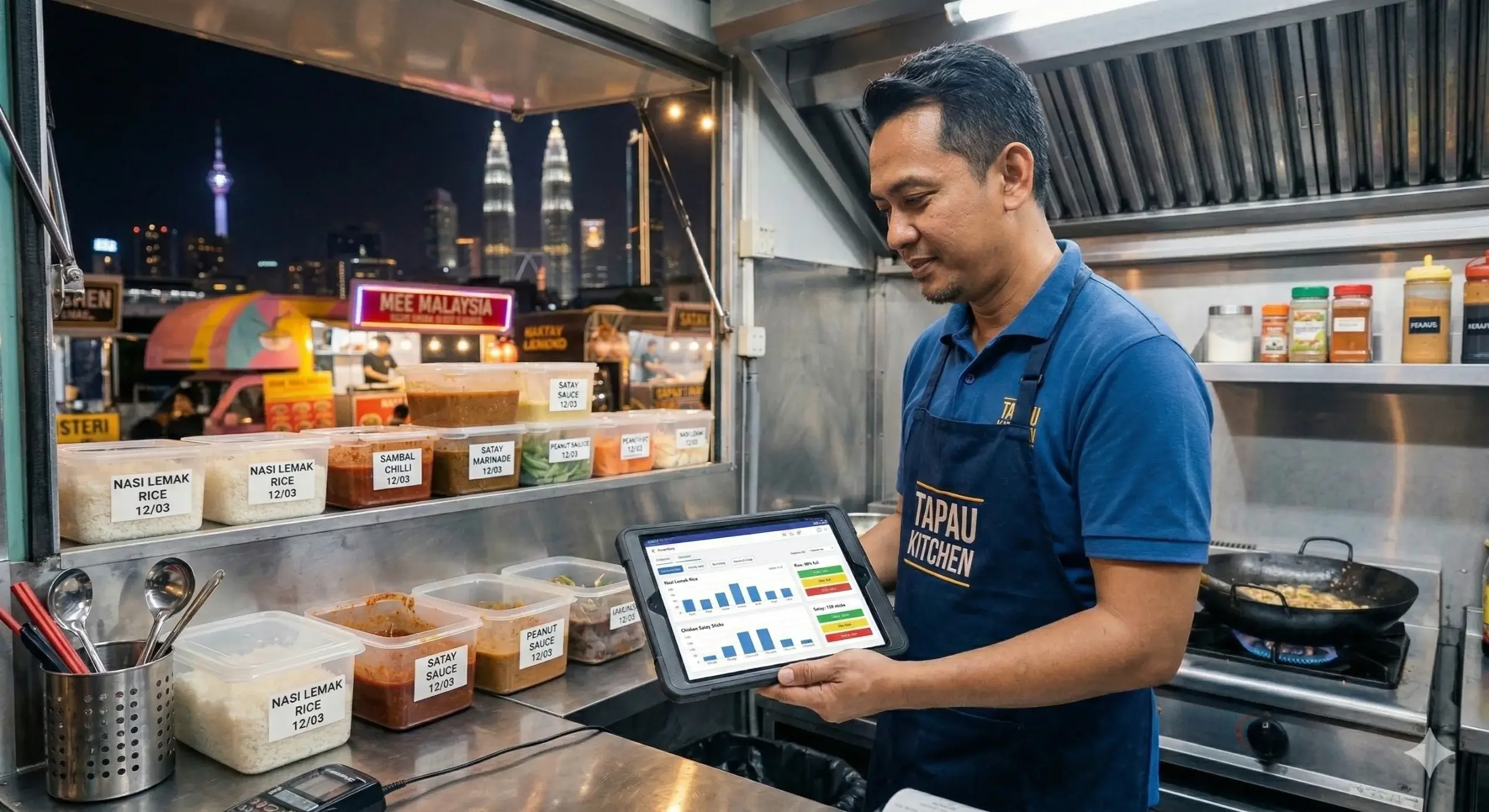
Unlike restaurants, food trucks have limited space. Efficient food truck inventory management tips 2026 are critical to avoid waste.
During peak hours or festivals, vendors must process orders quickly while maintaining accuracy.
Food trucks often operate outdoors where internet connectivity can be unstable.
This is where modern technology plays an important role.
Technology is transforming the food truck market Malaysia in several ways.
Instead of handwritten order lists or manual cash boxes, many operators now use cloud POS systems.
These systems help manage:
The best POS systems also work on tablets or smartphones, making them ideal for mobile kitchens.
Food truck vendors need tools designed for mobility and speed.
When choosing the best cloud POS for food trucks Kuala Lumpur, consider these essential features.
Food trucks operate in tight spaces. A POS system should work smoothly on tablets or phones.
Internet connectivity may drop during events or busy street markets.
An offline POS mode ensures you can keep selling even when WiFi goes down.
Running out of ingredients mid-service can frustrate customers.
Real-time tracking allows vendors to monitor stock levels and receive alerts.
Some successful food trucks eventually operate multiple trucks or pop-up locations.
A cloud system allows owners to monitor all locations from one dashboard.
Understanding which menu items sell best helps optimize pricing and reduce waste.
One example often cited in Malaysia’s food truck scene is Beard Brothers BBQ.
Known for their Texas-style smoked meats, they built a loyal following through food festivals and social media.
During the pandemic, they expanded into:
By adopting digital tools and modern POS systems, they streamlined their operations and maintained strong sales even during uncertain times.
Their journey reflects the broader F&B digital transformation happening across Malaysia.
Inventory control is one of the biggest factors affecting profitability.
Here are practical food truck inventory management tips 2026:
Know exactly how much stock you use each day.
Fewer ingredients reduce waste and simplify inventory.
Focus on high-margin menu items.
Cloud POS systems automatically update stock levels when items are sold.
Large events may require higher inventory levels than normal street service.
As the food truck industry evolves, many operators are turning to modern tools to simplify operations.
SalesPlay is a free cloud POS trusted by over 100,000 businesses worldwide, including restaurants, cafes, and mobile food vendors.
For Malaysian food truck owners, SalesPlay offers features designed for mobility and efficiency.
Run your entire food truck operation from a smartphone or tablet.
Continue billing even when WiFi drops. Data syncs automatically once the connection returns.
Track ingredients and receive alerts when stock is running low.
Manage multiple trucks or pop-up locations from one dashboard.
Connect with delivery services or online ordering platforms.
These tools help food truck operators reduce errors, speed up service, and improve profitability.
If you’re searching for mobile POS software for Malaysian F&B, platforms like SalesPlay provide the flexibility mobile vendors need.
👉 Learn more: www.salesplay.com
Looking ahead, the Malaysian food trucks 2026 market shows strong potential.
Several factors will continue shaping the industry:
Cities like Kuala Lumpur, Penang, and Johor Bahru are expected to remain major hubs for mobile food entrepreneurs.
As competition grows, the most successful vendors will combine:
Food trucks that embrace digital tools will be better equipped to handle large crowds, manage inventory, and analyze their performance.
Running a food truck is exciting, but it also requires smart systems behind the scenes.
With the right tools, you can:
SalesPlay helps food truck owners simplify operations while focusing on what matters most: great food and happy customers.
👉 Start your journey today: https://play.google.com/store/apps/details?id=salesplay.salesplaylite
The best POS system for food trucks should support mobile devices, digital payments, and offline operation. Cloud-based systems like SalesPlay allow food truck vendors to process orders, track inventory, and manage sales from anywhere.
Starting a food truck in Malaysia typically costs between RM80,000 and RM200,000 depending on the truck, kitchen equipment, and licenses required. Many entrepreneurs choose food trucks because they require significantly lower investment than opening a restaurant.
Yes. Most food trucks today accept card payments, QR payments, and mobile wallets using POS systems or payment terminals connected to mobile devices.
Food trucks can reduce commissions by promoting direct online orders, offering pickup discounts, and using POS systems that support direct ordering through websites or apps.
Food trucks have limited storage space, so tracking ingredients carefully helps reduce waste, avoid stockouts, and maintain profitability.